How a car horn works and replacement cost
You may have seen this happen: the driver in front of you doesn't notice that the traffic lights have turned green; the student driver stops the car for the umpteenth time; someone else leaves the roundabout without signalling. While you shouldn’t use your horn every time you get road rage, your car horn could save you from a serious collision in some situations.
Knowing exactly when to use it is key for any driver. You’ll also need to know the classic causes of horn failure if you want to get it fixed in time for your MOT, as well as how much a replacement costs. We’ll explore this and more below.
What is a car horn and how does it work?
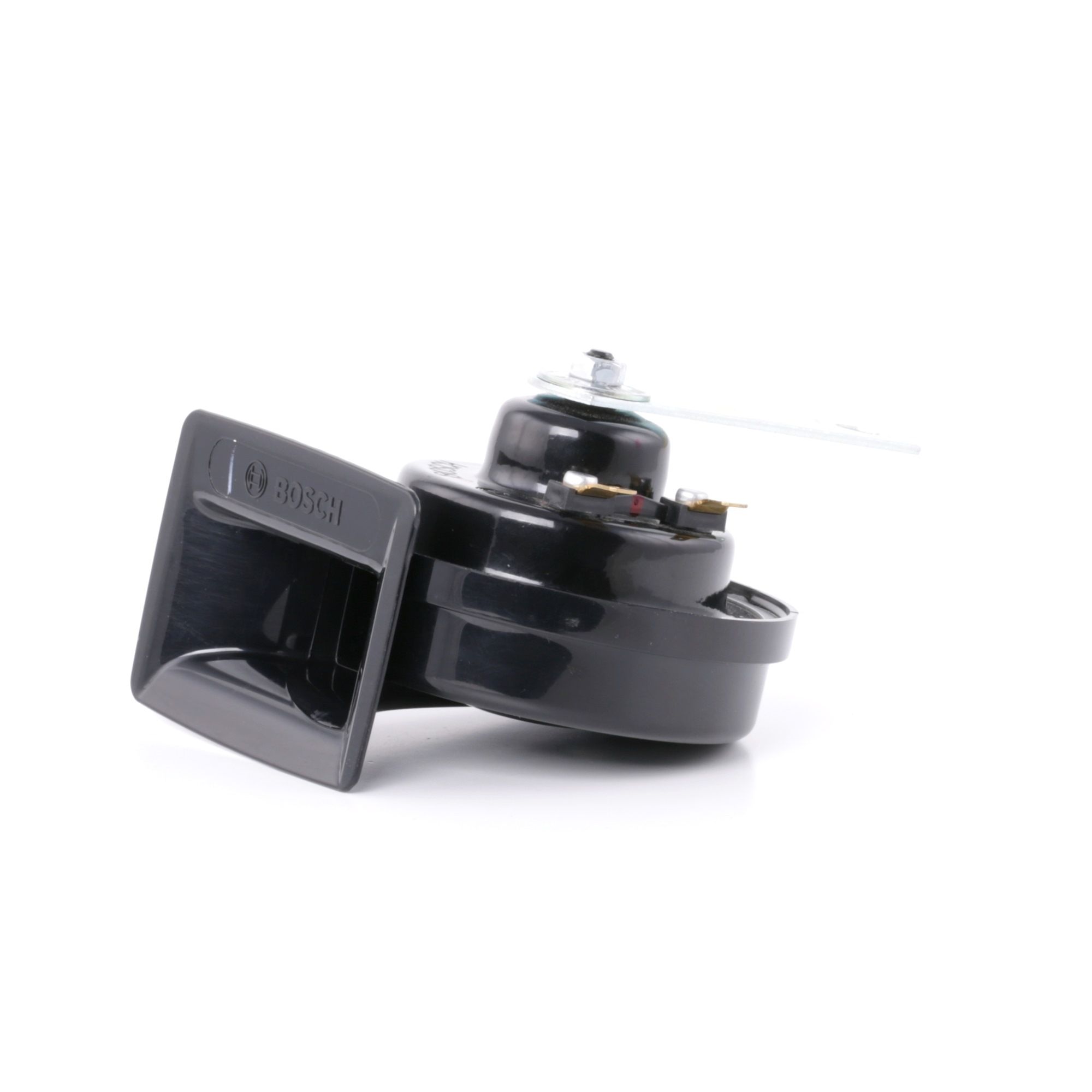
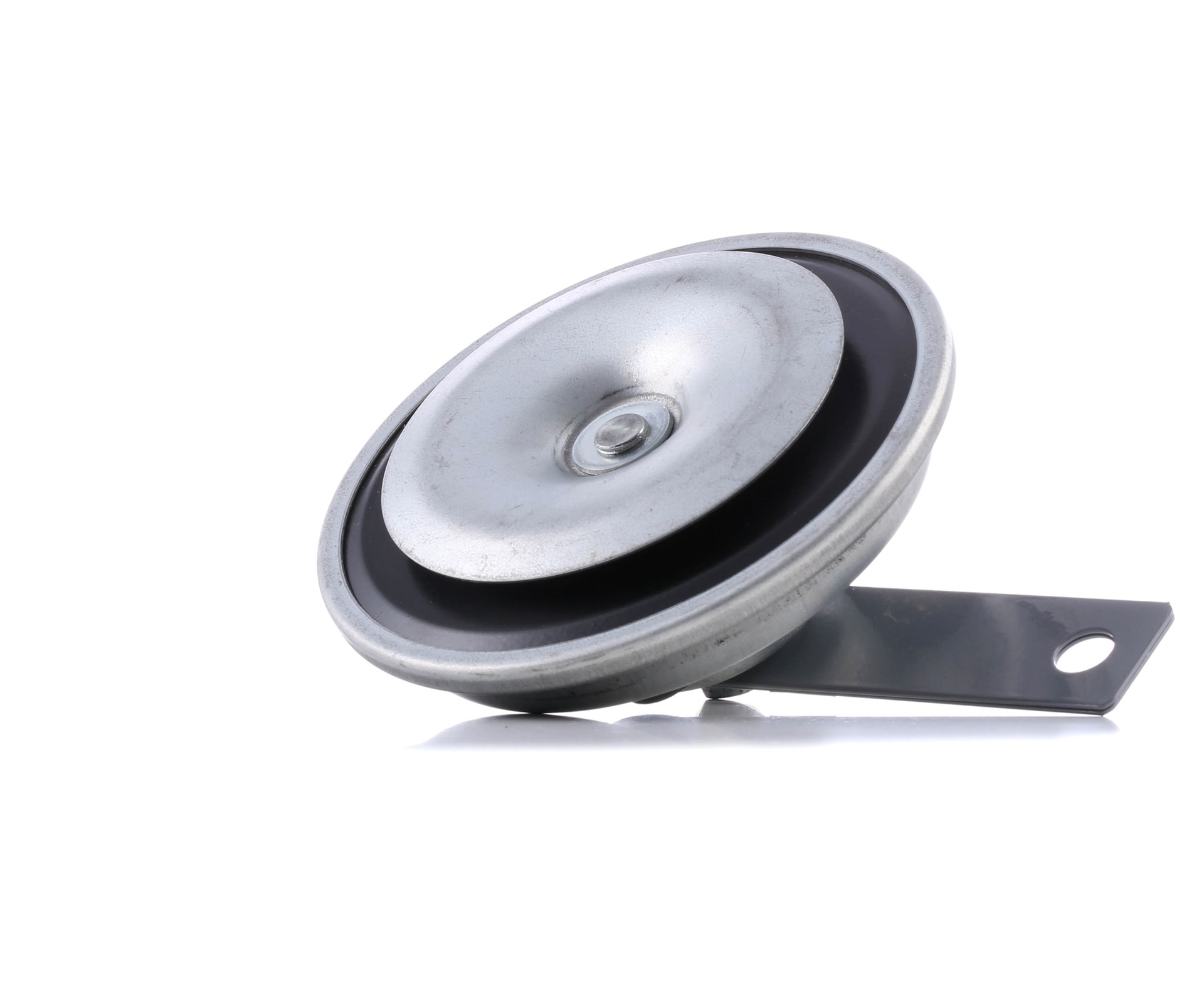
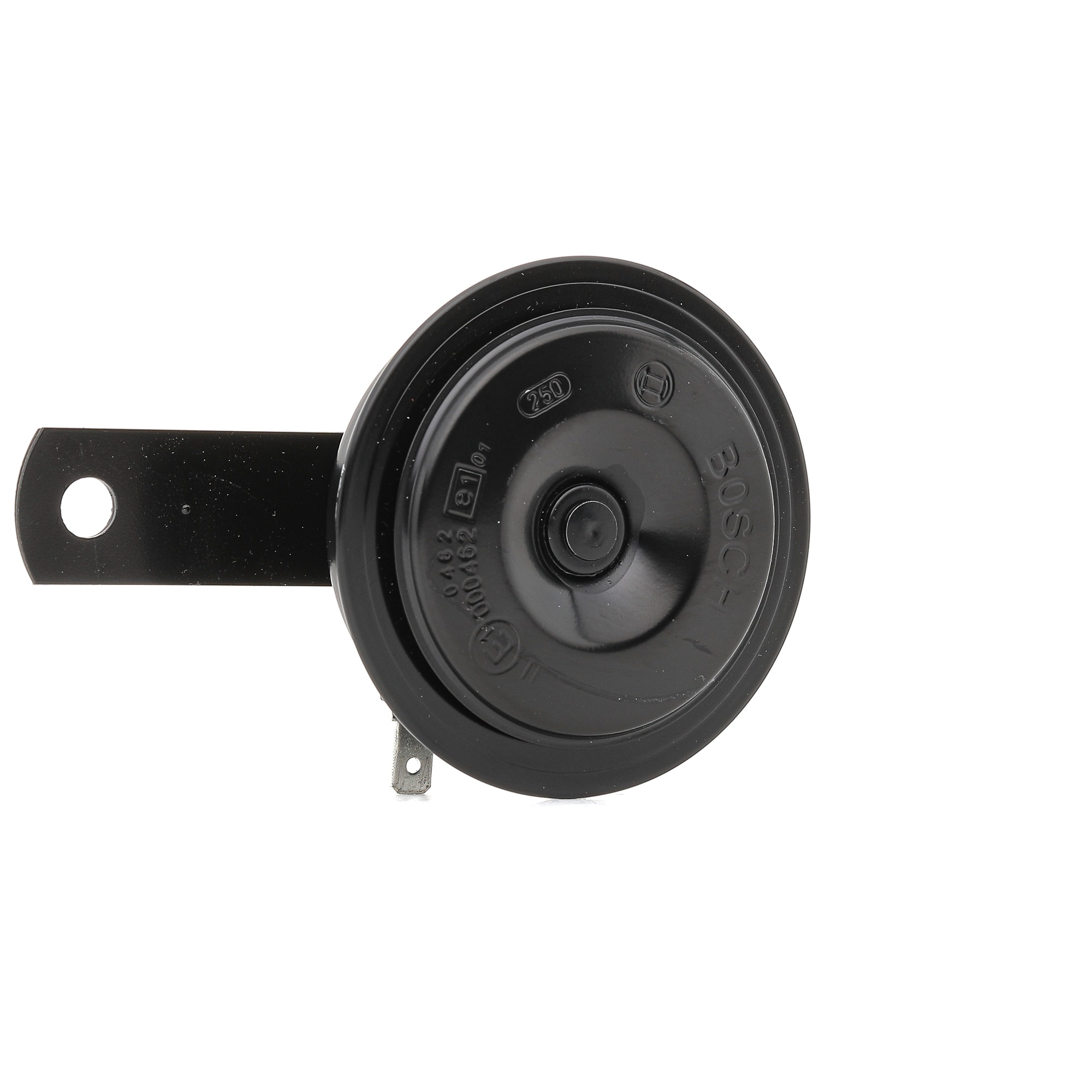
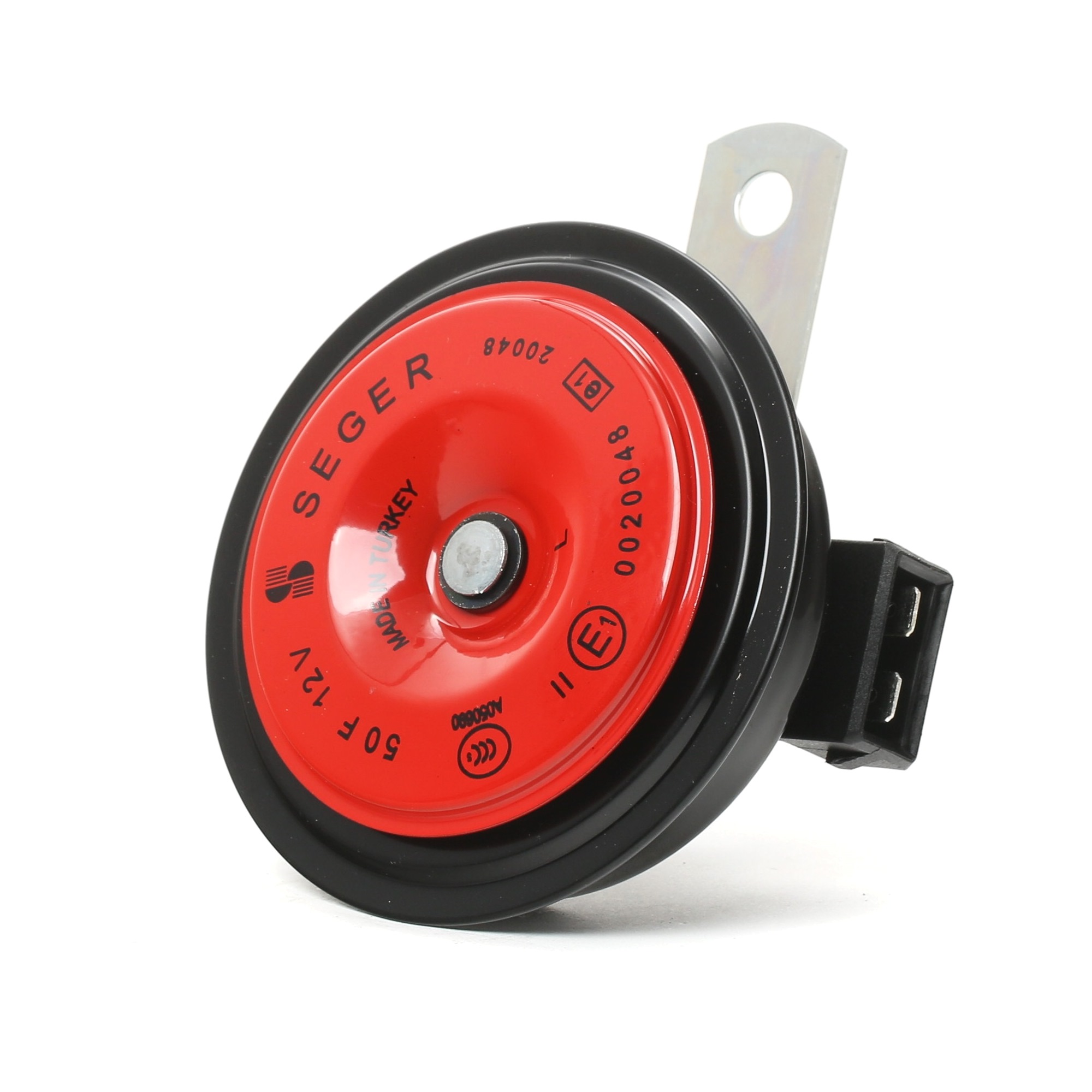
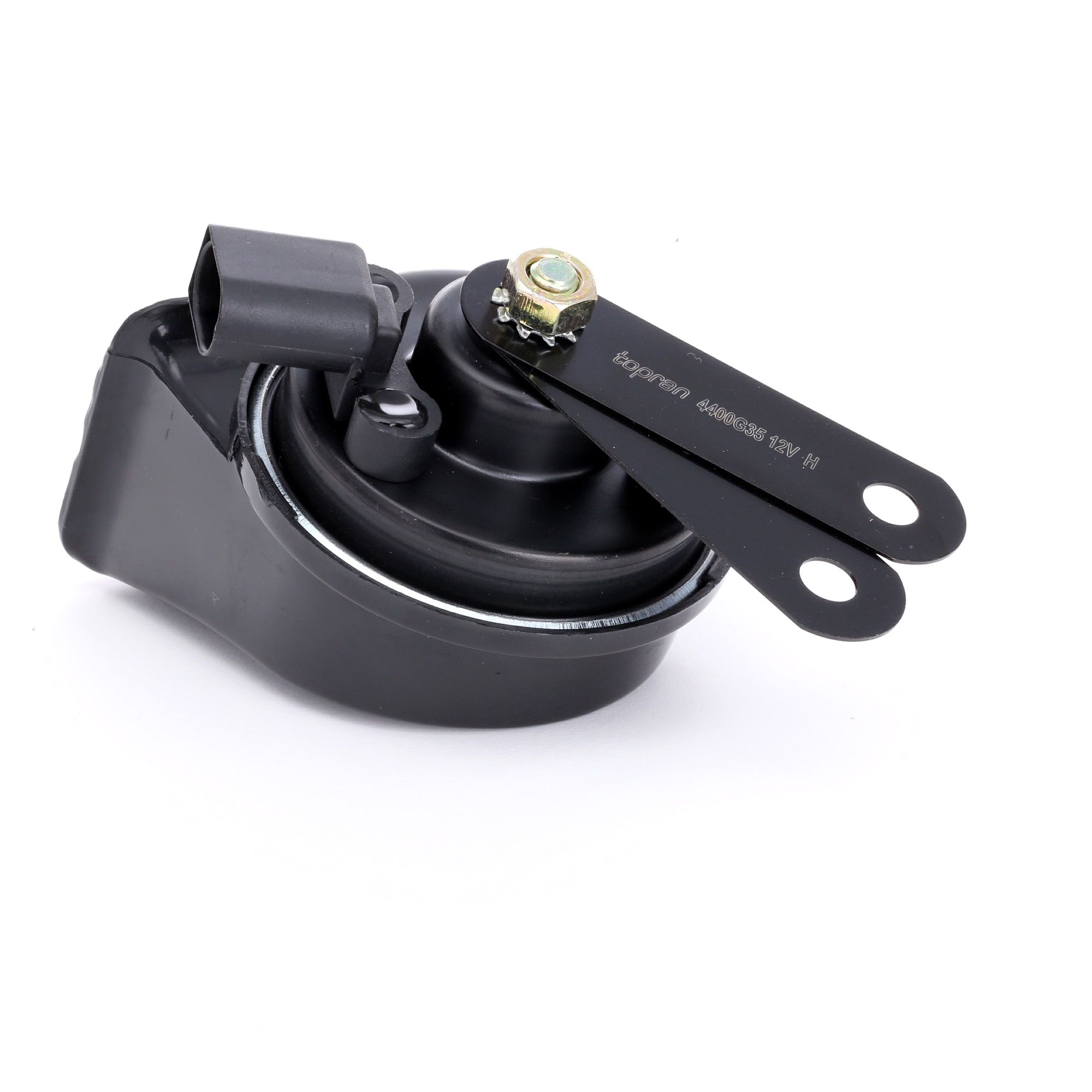
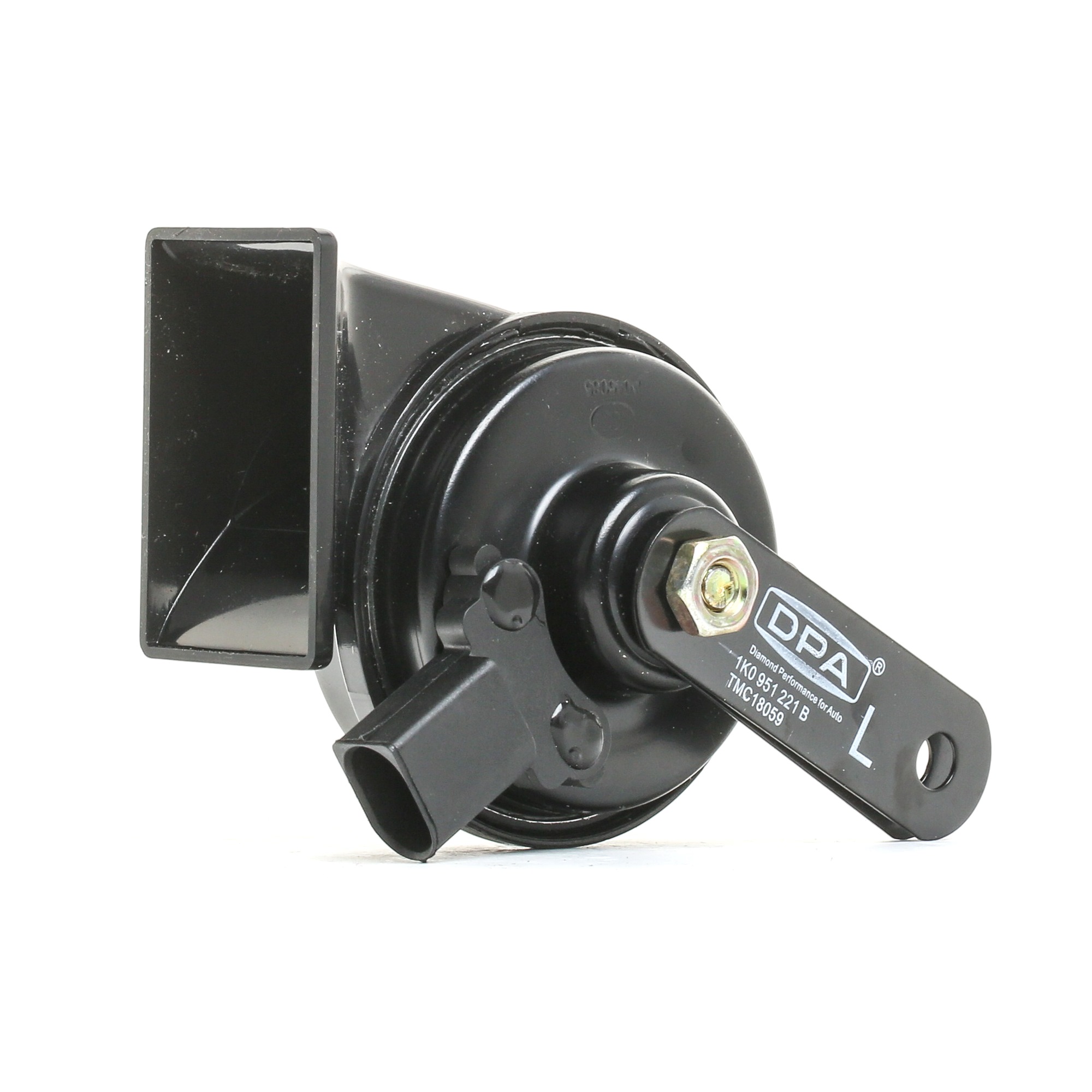
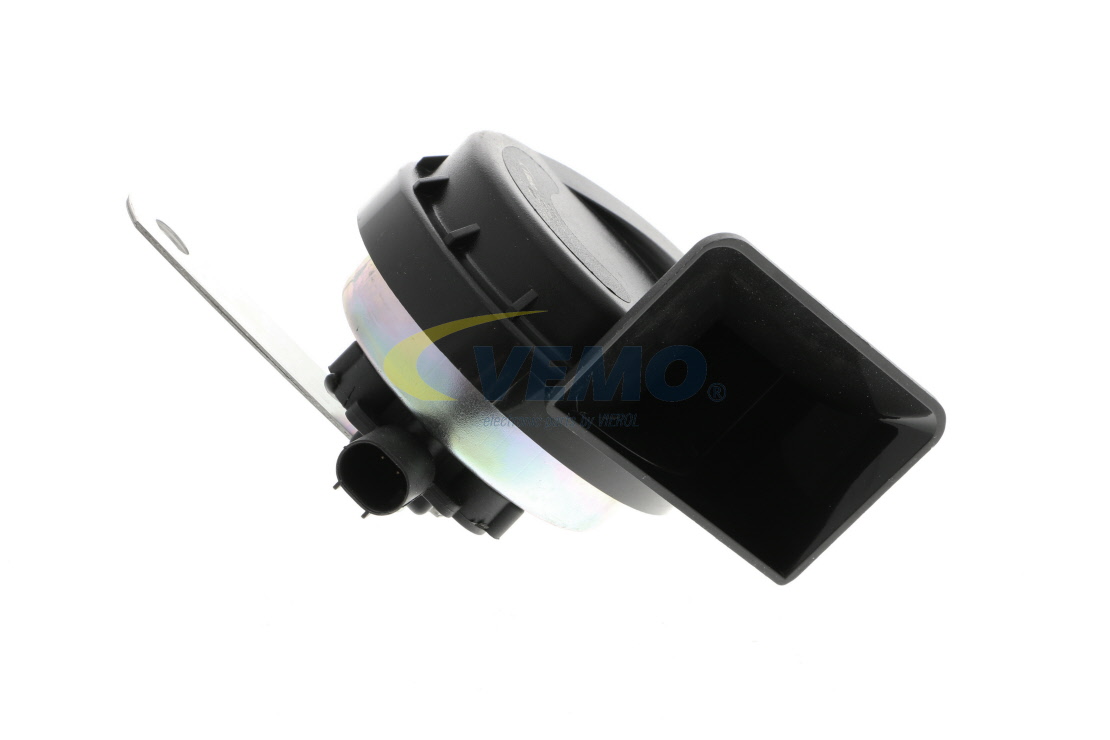
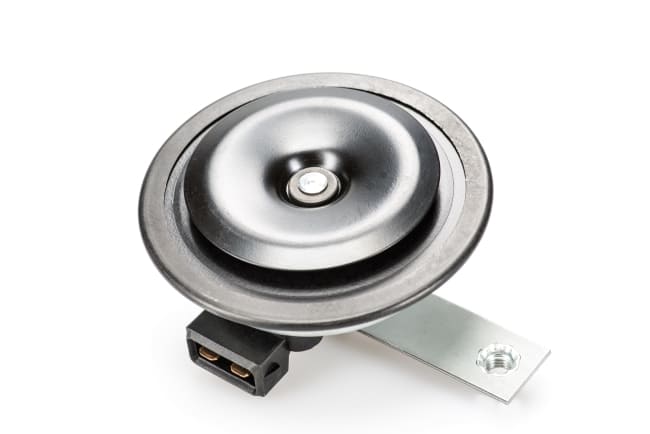
Modern car horns are typically electromagnetic devices mounted behind the front bumper or the radiator grille. When you press the horn button on the steering wheel, it completes an electric circuit, sending current through a coil. This energises an electromagnet, which moves a diaphragm back and forth rapidly, producing the familiar honking sound.
Most cars use dual-tone horns (high and low frequencies) for a louder, more noticeable sound. Premium brands like HELLA horns are often installed for their reliability and volume.
Common reasons a car horn stops working
Before assuming the horn itself has failed, consider these common culprits:
- Blown fuse – often the first thing to check. You can buy car fuses at very low prices and replace them at home.
- Faulty relay – the relay switches high current needed for the horn.
- Broken clock spring – a component behind the steering wheel that can wear out over time.
- Corroded connectors or wiring – especially common in older vehicles or wet climates.
- Damaged horn unit – the horn diaphragm or coil can fail with age or moisture ingress.
Quick tip: locate the horn fuse using your car’s manual, and test it before booking a mechanic. It might save you £50–£100 in labour.
How much does it cost to replace a car horn in the UK?
DIY replacement
If you're handy with basic tools, you can replace a car horn yourself. According to AUTODOC experts, a standard electric horn typically costs between £15 and £40, while a premium one (e.g. a customised car air horn ) can cost more. Factor in about 30–60 minutes for the installation, depending on your vehicle’s design.
Tools you’ll need:
- Screwdrivers
- Socket wrench set
- Wire stripper/crimper
- Multimeter (optional)
Professional installation
A garage or auto technician will typically charge the following:
- Parts: £30–£70 (depending on horn type)
- Labour: £50–£80 per hour
- Total: £75–£115 for most standard vehicles
Prices may vary based on the region or city. For example, London garages usually charge more than those in the Midlands or the North.
Is it legal to use my horn in the UK?
Yes, but only under certain conditions. According to the Highway Code Rule 112, drivers may use their horn solely:
- to alert other road users of your presence; and
- to warn people of danger.
Not permitted:
- Between 11:30 pm and 7:00 am in built-up areas (unless there's serious danger)
- Aggressively or as a form of frustration
- When stationary (unless warning others of danger)
Misuse can lead to a fixed penalty notice or even points on your licence if it causes a disturbance.
| Situation |
Is it legal? |
| Warning a pedestrian of danger |
✅ Yes |
| Beeping in traffic |
❌ No |
| Sounding horn at 12am in the city |
❌ No |
| Alerting when overtaking |
✅ Yes |
When to replace or upgrade your horn
Signs it’s time for a replacement or upgrade include:
- Weak or inconsistent sound
- Horn goes off at random
- No sound at all, even after fuse/relay check
MOT tip: A non-functioning horn is an automatic MOT failure. Ensure it’s working before your test date.
How to replace a car horn (DIY)
- Disconnect the battery – safety first. Always disconnect the negative terminal first.
- Locate the horn unit – usually behind the radiator grille or near the wheel well.
- Unplug the connectors and remove the mounting bolt.
- Install a new horn – mount it securely and connect the wires.
- Test the horn before closing everything up.
- Reconnect the battery and check for sound.
If you're fitting a high-powered device or air horn, you may need to install an inline relay or additional wiring.

Maintenance tips to extend your horn’s life
- Check horn operation every few months.
- Clean connectors every so often to prevent corrosion.
- Replace fuses promptly if blown – don’t ignore them.
Even a small amount of rust or poor connection can silence your horn unexpectedly.

Frequently Asked Questions (FAQ)
Q: Can I install any horn I like?
A: Not exactly. It must meet UK noise and safety regulations and be of a sound level that doesn't cause alarm. Overly loud aftermarket horns may not pass the MOT.
Q: Is it worth upgrading from a stock horn?
A: If you drive in high-traffic areas or on rural roads with wildlife, a louder dual-tone or air horn may offer improved safety and peace of mind. Just check whether it meets UK standards first.
Q: Will a faulty horn affect my MOT?
A: Yes. A non-functioning or excessively quiet horn will result in an MOT failure. The horn must produce a uniform sound loud enough to be heard by other road users. It must also be operable from the driver’s seat. Testing your car horn before the MOT can help avoid a failed inspection and unnecessary delays.
Top products related to this topic:


 17 September 2025 (updated)