
Table of Contents

 1 July 2025 (updated)
 How to fix a leaking sunroof
A leaking sunroof can quickly turn from a minor inconvenience into a serious issue. What starts as a small drip can soon cause ugly stains, damaged upholstery, and even electrical problems if the water reaches the dashboard. Fortunately, a leaking sunroof doesn’t always mean an expensive replacement. With the right tools and knowledge, you can often fix the problem yourself and restore the seals.
Spotting the leak and understanding the cause
Even under normal conditions, a sunroof is not designed to be completely watertight. Instead, it relies on a combination of seals and internal drainage systems to manage water. Typically, rubber seals line the sunroof to stop water from seeping between the glass and the frame, while discreet drain tubes route any excess water away through the car body pillars.
If your interior is showing signs of dampness, such as moist seats, carpets, or headliners, the first thing to do is inspect the rubber seal around the sunroof. Over time, these seals can become brittle, cracked, or deformed. When this happens, a quality sunroof sealant for cars can help restore the original barrier against water.
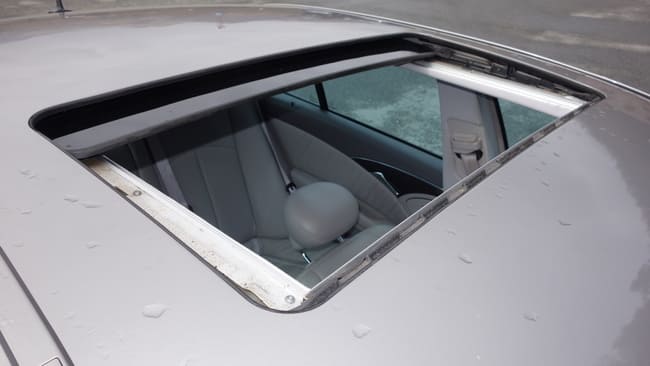
Check for leaks or damage
If your rubber seal has visibly aged or looks damaged, a closer inspection is necessary. Some models, such as the Volkswagen Touareg or Audi A1, are more susceptible to sunroof leaks. Check for cracks or wear along the seal, and gently lift the rubber to inspect for signs of mould, debris, or blocked drainage holes.
While repairing the rubber seal is crucial, you’ll also want to make sure that water isn’t building up due to blocked drain channels. Even an intact seal can fail if the sunroof’s drainage system becomes clogged with pollen, leaves, or grime.
Sunroof maintenance: cleaning the drainage system
Maintaining clear drainage channels is an effective way to prevent leaks. Here’s how to clean them safely:
- Find the drain holes: they’re usually found in the front corners of the sunroof tray. You may see them by sliding the sunroof open or inspecting from under the bonnet.
- Clear visible blockages: use a pipe cleaner or soft-bristled brush to gently dislodge debris. Avoid anything metallic or sharp that could damage the tubing.
- Flush or blow out the tubes: use a syringe or low-pressure compressed air to push water or air through the drains. Always direct air flow straight into the tube – never at an angle – to avoid dislodging internal connectors.
- Test the drainage: pour a small amount of clean water into the sunroof channel. If it drains out underneath the car quickly and without pooling, the system is working.
Regular maintenance of the drainage system, especially during autumn or after heavy storms, can help avoid unexpected leaks. Keep your vehicle parked under cover where possible to limit exposure to falling debris.
Sold by AUTODOC Sold by AUTODOC Sold by AUTODOC Sold by AUTODOC Sold by AUTODOC
-65%
 Article number: V30-1541
compared to
RRP
£178.57
£60.99price incl. 20% VAT, excl. delivery costs
Article number: V30-1541
compared to
RRP
£178.57
£60.99price incl. 20% VAT, excl. delivery costs
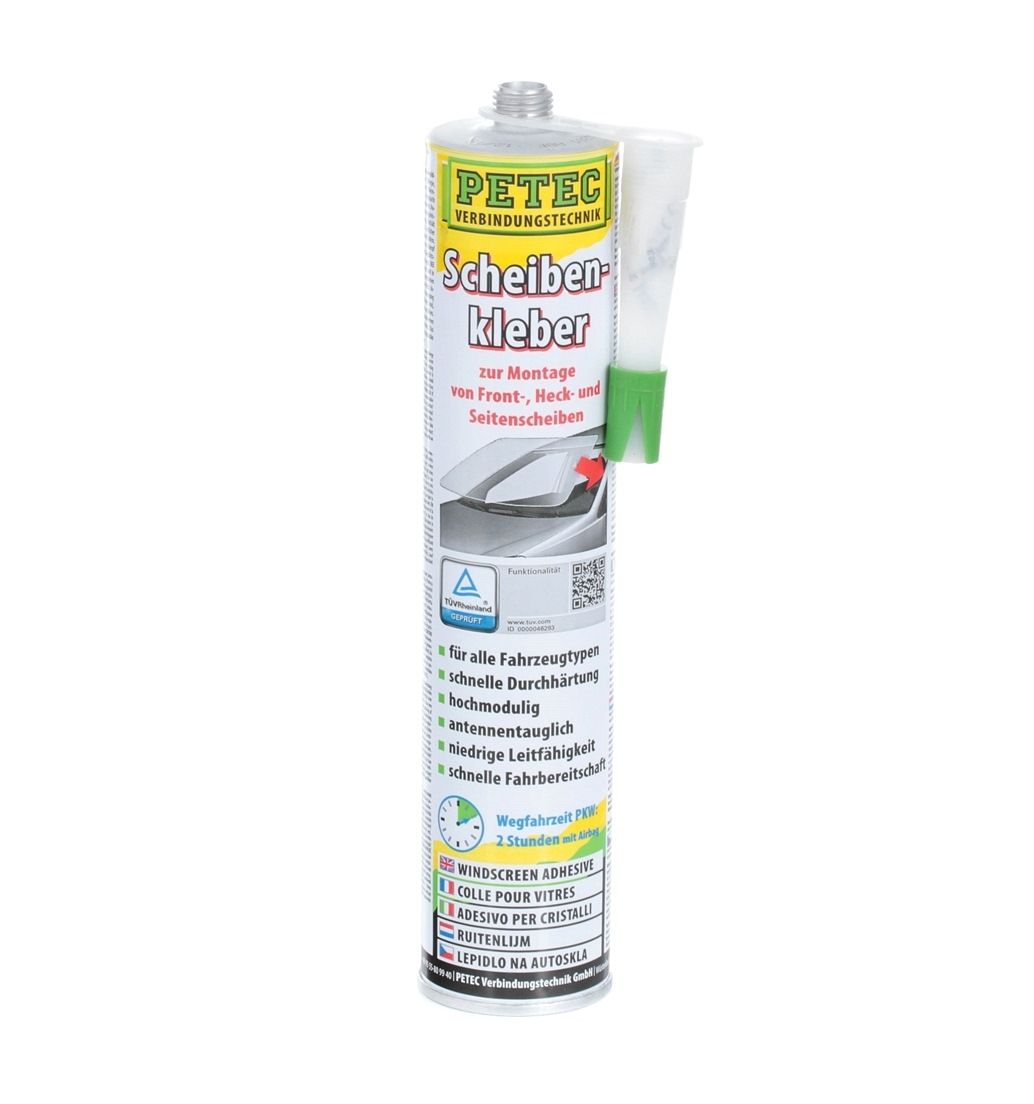 PETEC Window Adhesive
310ml, Cartridge, black, hardening, Mounting Time: 20min
Article number: 83310
More
£10.49
£33.84
for 1 litre
price incl. 20% VAT, excl. delivery costs
PETEC Window Adhesive
310ml, Cartridge, black, hardening, Mounting Time: 20min
Article number: 83310
More
£10.49
£33.84
for 1 litre
price incl. 20% VAT, excl. delivery costs
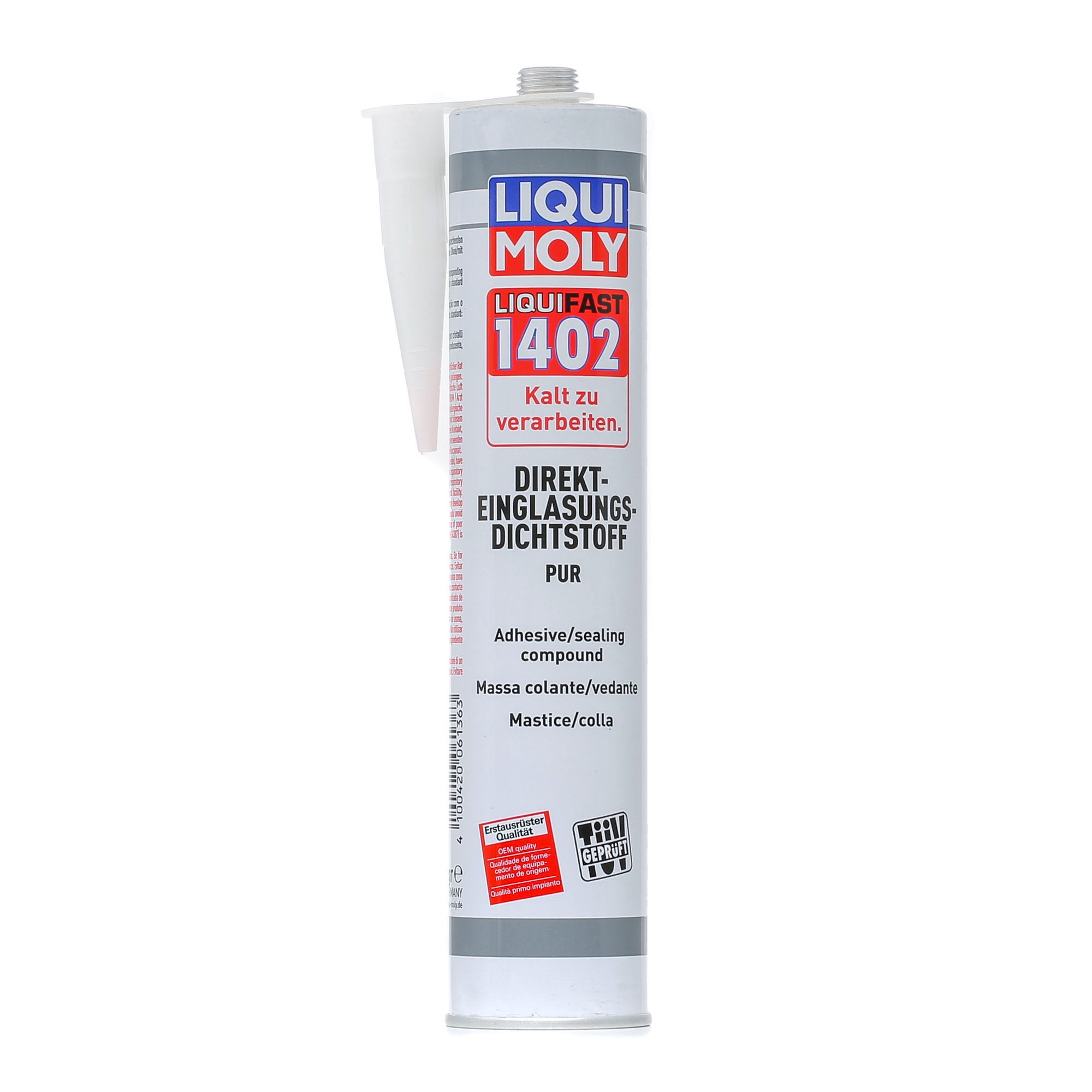 LIQUI MOLY Window Adhesive
310ml, Cartridge
Article number: 6136
More
£14.99
£48.35
for 1 litre
price incl. 20% VAT, excl. delivery costs
LIQUI MOLY Window Adhesive
310ml, Cartridge
Article number: 6136
More
£14.99
£48.35
for 1 litre
price incl. 20% VAT, excl. delivery costs
 Article number: 0070096
More
£9.99
£16.65
for 1 litre
price incl. 20% VAT, excl. delivery costs
Article number: 0070096
More
£9.99
£16.65
for 1 litre
price incl. 20% VAT, excl. delivery costs
 Article number: B350
More
£14.49
£18,112.50
for 1 litre
price incl. 20% VAT, excl. delivery costs
Article number: B350
More
£14.49
£18,112.50
for 1 litre
price incl. 20% VAT, excl. delivery costs
Repairing and resealing the sunroof
Once the drainage is clear and the seal cleaned or replaced, you may want to apply a protective sealant. This can reinforce the sunroof’s resistance to moisture, especially on older vehicles where rubber flexibility has diminished.
Opt for a high-quality car window sealant designed specifically for automotive use. These products are engineered to bond securely with rubber and glass without cracking or losing elasticity. Before applying, ensure the surface is clean and dry. Follow the product instructions carefully, applying an even bead along the edge of the seal. Allow enough time for the sealant to cure before exposing the area to moisture.
In addition to moisture protection, a good sealant can also reduce wind noise, improve insulation, and create a quieter and more comfortable driving experience.
When to see a mechanic
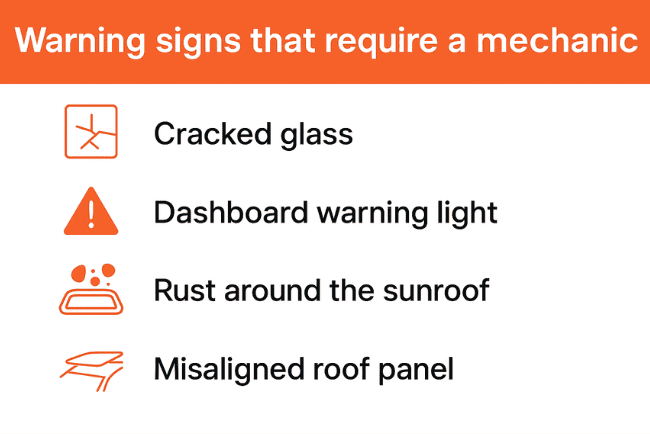
When left unchecked, a leak can escalate to a point where a sealant won’t help. AUTODOC experts highlight that serious issues, such as roof rust or cracked glass, will require professional help.
Final tips for sunroof care
To keep your sunroof working properly and avoid future leaks:
- Clean the seal and drains every few months
- Inspect the parts after storms or car washes for signs of water leaks
- Avoid using high-pressure jets directly on the sunroof
- Apply a specialised conditioner or lubricant to the seals annually to keep the rubber supple
Preventive care not only extends the life of your sunroof but also saves you time and money in the long run.
By combining practical maintenance with occasional use of sealants and visual inspections, you can keep your sunroof functional and leak-free for years. Don’t wait for the next rainy day to find out something’s gone wrong, stay ahead with routine care.
To find compatible seals and roof components for your specific vehicle, simply select the online category for your specific make and model at AUTODOC, i.e. “Land Rover Discovery 2 sunroof seal”, or enter more specific details such as the OE part number or VIN.
Sold by AUTODOC Sold by AUTODOC Sold by AUTODOC Sold by AUTODOC Sold by AUTODOC
 Article number: B110N
More
£2.59
£4,316.67
for 1 litre
price incl. 20% VAT, excl. delivery costs
Article number: B110N
More
£2.59
£4,316.67
for 1 litre
price incl. 20% VAT, excl. delivery costs
 Article number: 82410
More
£8.29
£829.00
for 1 litre
price incl. 20% VAT, excl. delivery costs
Article number: 82410
More
£8.29
£829.00
for 1 litre
price incl. 20% VAT, excl. delivery costs
 Article number: B110
More
£2.99
£498.33
for 1 litre
price incl. 20% VAT, excl. delivery costs
Article number: B110
More
£2.99
£498.33
for 1 litre
price incl. 20% VAT, excl. delivery costs
 Article number: 195908
More
£5.99
£11,980.00
for 1 litre
price incl. 20% VAT, excl. delivery costs
-28%
Article number: 195908
More
£5.99
£11,980.00
for 1 litre
price incl. 20% VAT, excl. delivery costs
-28%
 Article number: 02.54.056
compared to
RRP
£46.16
£32.99price incl. 20% VAT, excl. delivery costs
Article number: 02.54.056
compared to
RRP
£46.16
£32.99price incl. 20% VAT, excl. delivery costs
Frequently Asked Questions (FAQ)
Can a leaking sunroof cause electrical problems?
Yes, if water reaches the wiring beneath the headliner or dashboard, it can cause corrosion or short circuits, affecting lights, sensors, or even the car’s central control system.
Why does my sunroof only leak during car washes?
High-pressure water jets can be too strong for the seals or force water into small gaps.
Are aftermarket sunroof deflectors effective against leaks?
They can help reduce water exposure in rain or during a car wash but won’t fix existing damage or drainage problems. They are a preventive accessory, not a repair solution.
Top products related to this topic:


